
When exploring the world of streaming television, understanding the Iptv price landscape is crucial for making an informed decision. The streaming revolution has transformed how we consume media, and IPTV services have emerged as a cost-effective alternative to traditional cable subscriptions. Before diving into specific costs, it’s important to recognize that the iptv subscription cost can vary significantly based on several factors, including service quality, channel selection, and subscription duration.
The pricing structure for IPTV services has evolved considerably over the past few years, reflecting both technological advancements and market competition. Premium providers typically offer tiered pricing models that cater to different viewing preferences and budgets. These tiers often differentiate themselves through features like stream quality (HD vs. 4K), number of simultaneous connections, and access to specialized content libraries including sports packages, international channels, and video-on-demand (VOD) content.
Understanding the true value proposition of IPTV services requires looking beyond the initial price tag. While some providers might advertise extremely low rates, hidden costs, reliability issues, or poor service quality could make these apparent bargains more expensive in the long run. This comprehensive guide will help you navigate the IPTV pricing landscape, ensuring you get the best value for your investment while avoiding common pitfalls that could impact your viewing experience.
What You Need to Get Started
Before comparing IPTV service prices, it’s essential to understand the basic requirements and potential additional costs involved in setting up your streaming environment. The initial investment might include not only the subscription fee but also necessary hardware and supplementary services that ensure optimal performance. These upfront costs should be factored into your budget planning to avoid unexpected expenses later.
The quality of your streaming experience depends heavily on having the right technical foundation in place. While IPTV services are generally designed to work with minimal equipment, certain components are crucial for reliable performance and maximum enjoyment of your content.
- Internet Connection: Minimum 25 Mbps download speed for HD content, 50+ Mbps for 4K streaming
- Compatible Streaming Device: Firestick, Android TV Box, or Smart TV with appropriate specifications
- IPTV Application: Official or third-party app for content access
- VPN Service: Recommended for privacy and unrestricted access
- Quality Router: Dual-band capability with strong signal coverage
- IPTV Subscription: Valid subscription from a reliable provider
- External Storage: Optional for recording capabilities
- Ethernet Cable: Recommended for stable connection
These components work together to create a seamless streaming experience, and skimping on any of them could result in suboptimal performance. While the initial setup costs might seem substantial, they represent a one-time investment that will serve you well over the long term, potentially saving money compared to traditional cable subscriptions.
Setup Timeline and What to Expect
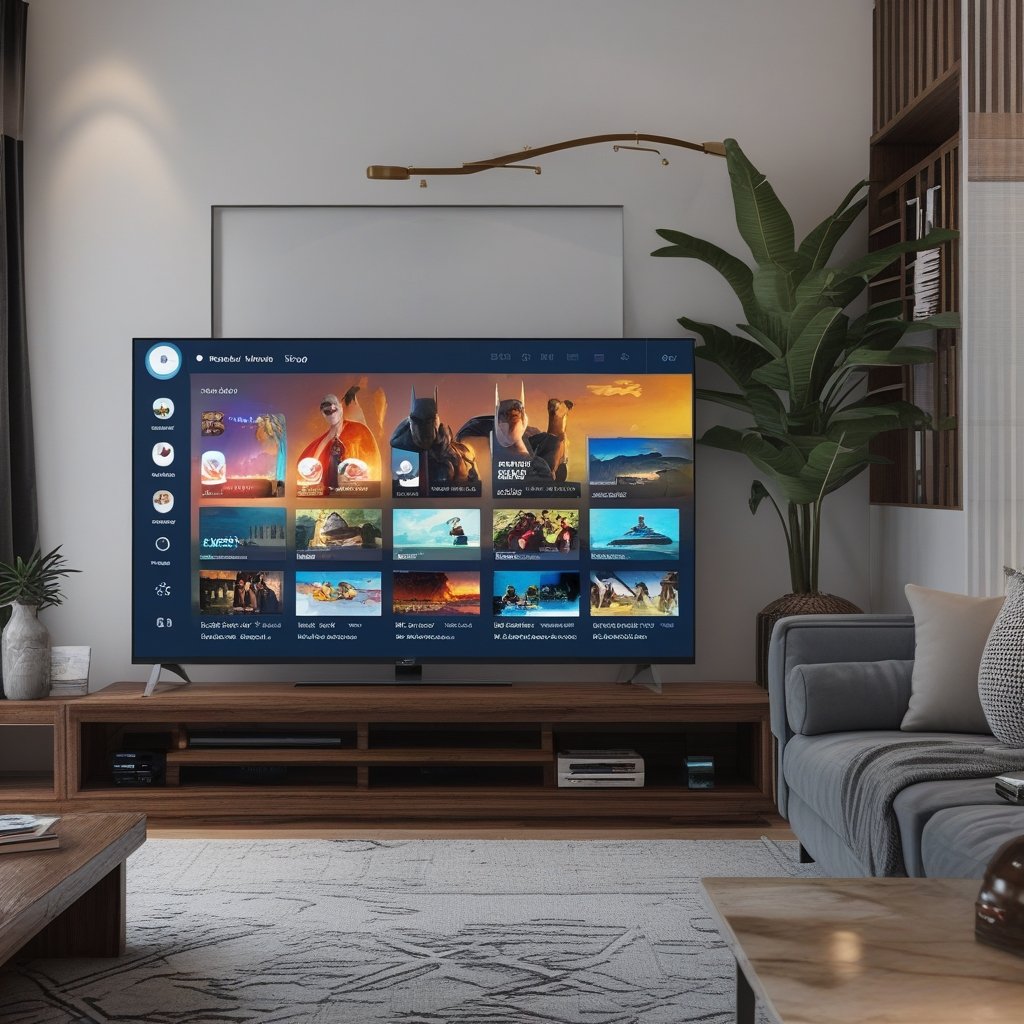
The setup process for an IPTV service varies depending on your technical expertise and chosen configuration. Generally, basic setup can be completed within 30-60 minutes, including device preparation, app installation, and initial configuration. However, optimizing your setup for the best possible performance might take several hours of testing and adjustments. This investment in proper setup will pay dividends in terms of streaming quality and reliability.
| Quality Level | Required Speed | Typical Buffering | Monthly Data Usage |
|---|---|---|---|
| SD (480p) | 5-10 Mbps | Minimal | 70-100 GB |
| HD (720p) | 15-25 Mbps | Occasional | 160-200 GB |
| Full HD (1080p) | 25-40 Mbps | Rare | 300-350 GB |
| 4K UHD | 50+ Mbps | Variable | 500+ GB |
Internet Service Provider (ISP) factors play a crucial role in your streaming experience. Some ISPs may throttle streaming traffic, particularly during peak hours. This can affect your viewing quality regardless of your subscription level or hardware capabilities. Using a VPN can help mitigate these issues, though it may add slightly to your overall Iptv price consideration.
Step-by-Step Installation Guide
Firestick Installation
- Enable Apps from Unknown Sources in Settings > My Fire TV > Developer Options
- Install Downloader app from Amazon App Store
- Enter the URL provided by your IPTV service provider
- Download and install the recommended IPTV app
- Enter your subscription credentials
- Configure stream quality settings based on your internet speed
- Test various channels to ensure proper functionality
Android TV Installation
- Enable Unknown Sources in Security Settings
- Download the IPTV app APK file
- Install using Package Installer
- Input your iptv subscription cost credentials
- Configure EPG settings if available
- Adjust video quality preferences
- Create channel favorites for easy access
Smart TV Installation
- Access your TV’s app store
- Search for compatible IPTV applications
- Download and install the app
- Enter service provider details
- Configure network settings
- Optimize display settings
- Set up parental controls if needed
Key Benefits and Advantages
Understanding the benefits of IPTV services helps justify their cost when compared to traditional cable or satellite options. The flexibility and features offered by modern IPTV solutions provide significant value beyond mere channel access, making them an attractive option for cost-conscious consumers seeking premium entertainment options.
The technological advantages of IPTV services extend beyond simple content delivery, offering features that weren’t possible with traditional broadcasting methods. These benefits contribute to a more personalized and convenient viewing experience that adapts to your lifestyle.
- Cost-effective compared to traditional cable packages
- Access to international channels and content
- Multi-device streaming capabilities
- No long-term contracts required
- Video-on-demand library access
- DVR functionality with cloud storage
- Customizable channel packages
- Regular content updates and additions
- High-quality streaming options including 4K
- Multiple simultaneous streams
- Cross-platform compatibility
- Electronic Program Guide (EPG) integration
These advantages make IPTV an increasingly popular choice for consumers looking to maximize their entertainment value while maintaining budget control. The flexibility to choose specific content packages and adjust service levels as needed provides unprecedented control over entertainment expenses.
Alternative Methods and Use Cases
Business Applications
IPTV solutions aren’t limited to residential use. Many businesses leverage IPTV services for various purposes, from providing entertainment in waiting rooms to delivering corporate communications across multiple locations. The scalability of IPTV makes it particularly attractive for commercial applications where traditional cable installation might be impractical or cost-prohibitive.
Educational institutions have found innovative ways to utilize IPTV systems for distance learning and content distribution. The ability to stream multiple channels simultaneously while maintaining quality makes it ideal for campus-wide deployment, with options to customize content access based on department or user group requirements.
Hotels and hospitality businesses represent another significant use case for IPTV services. The ability to offer guests access to international channels and on-demand content without individual satellite installations provides both cost savings and improved service quality. These commercial applications often require specialized pricing structures but can deliver significant return on investment through reduced infrastructure costs and improved customer satisfaction.
Common Mistakes and How to Fix Them
- Insufficient Internet Speed: Upgrade your internet plan or optimize your network configuration to ensure stable streaming performance.
- Wrong App Selection: Choose apps recommended by your provider and avoid unofficial applications that might compromise security or performance.
- Poor VPN Configuration: Select VPN servers closer to your location and configure split tunneling to optimize streaming speed.
- Incorrect DNS Settings: Update DNS settings according to provider recommendations or use reliable public DNS servers.
- Outdated Hardware: Ensure your streaming device meets minimum requirements and regularly update firmware.
- Missing EPG Data: Configure EPG URL correctly and allow sufficient time for guide data to populate.
- Improper Buffering Settings: Adjust buffer size based on your internet stability and device capabilities.
- Neglecting Updates: Keep apps and system software current to maintain compatibility and security.
Avoiding these common mistakes can significantly improve your IPTV experience while ensuring you get the most value from your subscription investment. Regular maintenance and proper configuration are key to maintaining optimal performance and preventing service interruptions.
Maintenance and Performance Tips
Regular maintenance is crucial for maintaining optimal IPTV performance and protecting your investment. Implementing proper maintenance procedures can extend the life of your equipment while ensuring consistent streaming quality. Understanding these maintenance requirements helps you budget for long-term ownership costs effectively.
Performance optimization should be an ongoing process, with regular evaluations and adjustments as needed. This proactive approach helps prevent issues before they impact your viewing experience and ensures you’re getting the best possible value from your subscription.
- Clear cache and temporary files monthly
- Monitor network performance regularly
- Update applications and firmware when available
- Perform speed tests to verify connection quality
- Review and adjust quality settings seasonally
- Maintain VPN software and configurations
- Check for router firmware updates
- Monitor device storage capacity
Conclusion
The landscape of IPTV services continues to evolve, offering increasingly competitive Iptv price points while delivering premium features and content. By carefully considering your needs and following the guidelines outlined in this article, you can make an informed decision about which service level and features best match your requirements and budget. Remember that the lowest iptv subscription cost isn’t always the best value – factor in reliability, support, and content quality when making your choice.
Take time to evaluate multiple providers and service tiers before making a commitment. Consider starting with a shorter subscription period to test the service quality and support before investing in a longer-term plan. Your streaming experience will ultimately depend on choosing the right combination of hardware, internet service, and IPTV provider that aligns with your viewing habits and budget constraints.
Frequently Asked Questions
What is the average monthly cost for a quality IPTV subscription?
Quality IPTV subscriptions typically range from $10 to $25 per month for basic packages, while premium packages with additional features can cost $30 to $50 monthly. Prices often decrease with longer subscription commitments, and many providers offer quarterly or annual payment options for better value.
Do I need to buy special equipment for IPTV service?
While many smart TVs support IPTV natively, you may need a streaming device like a Firestick, Android TV box, or MAG box for optimal performance. These devices typically cost between $30 and $150 depending on features and capabilities.
How much internet speed do I really need for IPTV?
For HD content, a minimum of 25 Mbps is recommended, while 4K streaming requires at least 50 Mbps. These speeds ensure smooth playback and minimize buffering issues. Additional bandwidth may be needed if multiple devices stream simultaneously.
Are there any hidden costs with IPTV services?
Common additional costs may include VPN services ($5-10/month), premium app features ($2-5/month), and potential hardware upgrades. Some providers also charge activation fees or require minimum subscription periods.
Can I share my IPTV subscription with family members?
Most providers allow multiple simultaneous streams, typically 2-4 connections, included in the base subscription price. Additional connections can usually be purchased for an extra fee, typically $5-10 per connection per month.