

Table of Contents
Are you overwhelmed by the countless CRM platforms available today, unsure which one truly delivers value without draining your budget? You’re not alone. Small business owners, sales teams, and entrepreneurs constantly struggle to find customer relationship management systems that balance powerful features with affordability and ease of use. The right CRM software can transform how you manage leads, automate follow-ups, track customer interactions, and ultimately drive revenue growth—but choosing the wrong one wastes time, money, and team morale.
The demand for effective crm software sample solutions has exploded as businesses recognize that customer data scattered across spreadsheets, email inboxes, and sticky notes simply doesn’t cut it anymore. Modern CRM platforms solve critical problems: they centralize customer information, automate repetitive tasks, provide actionable insights through analytics, and enable teams to collaborate seamlessly. Whether you’re a solopreneur managing 50 contacts or a growing team handling thousands of customer interactions monthly, the right CRM software demo can demonstrate exactly how these systems boost productivity, improve customer satisfaction, and accelerate business growth.
This comprehensive guide walks you through everything you need to know about selecting, implementing, and maximizing CRM software for your business. We’ll explore essential requirements, compare top platforms with transparent data-driven tables, provide step-by-step setup instructions, and share insider tips to help you avoid common pitfalls. By the end, you’ll have the clarity and confidence to choose a CRM that genuinely fits your needs and budget.
Software / Tool Essentials & Requirements
Before diving into any CRM platform, understanding the foundational requirements ensures a smooth selection and implementation process. Here’s what you need to consider:
Account and User Requirements:
– Valid business email address for account registration
– Team size determination (number of users who need access)
– User role definitions (admin, sales rep, manager, support agent)
– Payment method for paid plans (credit card, PayPal, or invoicing options)
System and Technical Requirements:
– Modern web browser (Chrome, Firefox, Safari, Edge – latest versions)
– Stable internet connection (minimum 5 Mbps recommended)
– Desktop, laptop, tablet, or smartphone compatibility
– Operating system flexibility (Windows, macOS, Linux, iOS, Android)
– Cloud storage availability for document management
Integration Capabilities:
– Email platforms (Gmail, Outlook, Office 365)
– Marketing automation tools (Mailchimp, ConvertKit, ActiveCampaign)
– Calendar and scheduling systems (Google Calendar, Outlook Calendar)
– Communication channels (Slack, WhatsApp, SMS providers)
– E-commerce platforms (Shopify, WooCommerce, Magento)
– Accounting software (QuickBooks, Xero, FreshBooks)
– Payment processors (Stripe, PayPal, Square)
Pricing and Trial Considerations:
– Free trial availability (typically 14-30 days)
– Freemium plans with limited features
– Monthly vs. annual billing options
– Per-user pricing models
– Scalability for growing teams
– Contract flexibility (month-to-month vs. annual commitments)
Optional Add-ons and Advanced Features:
– Custom domain email tracking
– Advanced reporting and analytics dashboards
– Workflow automation capabilities
– API access for custom integrations
– White-label options for agencies
– Dedicated account management support
– Training resources and onboarding assistance
Alternative Considerations:
If you’re evaluating alternatives, consider whether you need a full-featured CRM or specialized tools like project management software (Asana, Monday.com), email marketing platforms (Mailchimp alone), or basic contact management (Google Contacts). All-in-one solutions typically provide better value and eliminate data silos compared to cobbling together multiple point solutions.
Setup Time / Installation & Performance

Understanding realistic timeframes and performance expectations helps you plan your CRM implementation effectively and set appropriate team expectations.
Initial Setup Duration:
– Account creation: 5-10 minutes
– Basic configuration (company details, branding): 15-30 minutes
– User invitation and role assignment: 10-20 minutes per batch
– Initial data import (contacts, companies): 30 minutes to 2 hours depending on volume
– Integration connections: 5-15 minutes per integration
– Total estimated setup time for small teams: 2-4 hours
– Enterprise-level implementation: 1-4 weeks with consulting support
Configuration Steps Overview:
Most modern CRM platforms follow a similar onboarding pathway. You’ll create your account, customize your workspace with company branding and preferences, define your sales pipeline stages, set up email integration, import existing contacts, configure automation rules, connect third-party tools, and customize fields to match your business processes.
Learning Curve Expectations:
– Basic navigation and contact management: 1-2 days
– Email tracking and basic automation: 3-5 days
– Advanced workflows and reporting: 1-2 weeks
– Full platform mastery: 4-6 weeks with regular use
– Team-wide adoption: 2-3 months with proper training
Performance Factors:
Several variables affect how quickly your CRM delivers results. Data quality during import significantly impacts initial effectiveness—clean, well-organized data yields immediate benefits while messy data requires cleanup time. Team adoption rate determines overall success; platforms with intuitive interfaces and mobile apps see faster adoption. Integration complexity affects setup duration; simple email connections take minutes while complex API integrations may require developer assistance. Your business process maturity also plays a role—companies with defined sales processes implement CRM faster than those still developing their workflows.
Platform Performance Metrics:
– Page load times: 1-3 seconds for modern cloud CRMs
– Email sync frequency: Real-time to 5-minute intervals
– Automation trigger speed: Instant to 2-minute delays
– Report generation: 5-30 seconds for standard reports
– Mobile app responsiveness: Comparable to web performance
– Uptime guarantees: 99.5%-99.9% for reputable providers
Step-by-Step Instructions
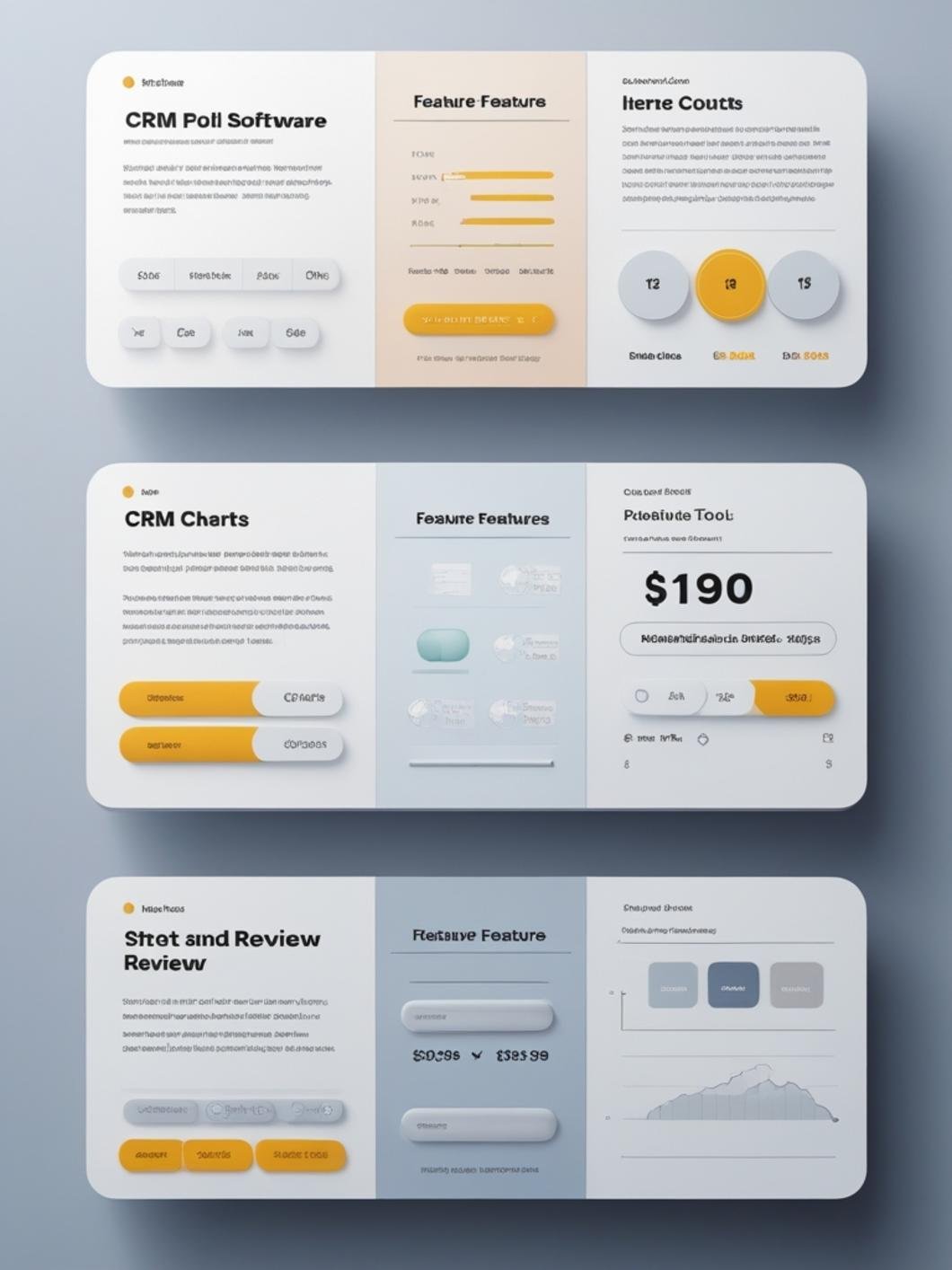
Follow these detailed instructions to successfully implement a crm software sample system for your business, using best practices that ensure smooth adoption and immediate productivity gains.
Step 1: Account Creation and Initial Configuration
Visit your chosen CRM provider’s website and click the sign-up or free trial button. Enter your business email, create a secure password, and provide basic company information including company name, industry, and team size. Verify your email address through the confirmation link sent to your inbox. Once logged in, complete your profile settings including time zone, currency preferences, and language options. Upload your company logo and customize brand colors to personalize your workspace.
Step 2: Define Your Sales Pipeline
Navigate to the pipeline or deals settings section. Most CRMs come with default pipeline stages, but customizing these to match your actual sales process dramatically improves usability. Common stages include Lead, Qualified, Proposal Sent, Negotiation, Closed Won, and Closed Lost. Define what criteria move a deal from one stage to the next and assign probability percentages to each stage. This clarity helps your team use the system consistently and provides accurate forecasting data. For evaluating different platforms, requesting a CRM software demo allows you to see how pipeline customization works in practice before committing.
Step 3: Import Your Contact Database
Prepare your existing contact data in CSV format, ensuring columns include first name, last name, email, phone, company, and any custom fields relevant to your business. In your CRM’s import section, upload your CSV file and map the columns to the corresponding CRM fields. Review the import preview carefully to catch any formatting issues before finalizing. Start with a small test batch (50-100 contacts) to verify the mapping works correctly before importing your entire database.
Step 4: Connect Email and Calendar
Integrate your email platform by navigating to integrations or connected apps settings. For Gmail users, authorize Google account access; for Outlook users, complete Microsoft authentication. Enable email tracking to receive notifications when contacts open your emails or click links. Connect your calendar to enable appointment scheduling features. Configure sync preferences, deciding whether you want all emails tracked or only those sent from specific folders or with particular tags.
Step 5: Invite Team Members and Assign Roles
Access user management settings and invite team members by entering their email addresses. Assign appropriate roles based on responsibilities: administrators get full access, sales representatives need contact and deal management, managers require reporting access, and support staff might need limited contact viewing permissions. Customize permissions for each role to ensure data security while enabling collaboration.
Step 6: Set Up Basic Automation
Start with simple automation workflows that provide immediate value without complexity. Create an automation that assigns new leads to sales representatives in round-robin fashion, sends welcome emails to new contacts automatically, updates deal stages based on specific actions, sets follow-up task reminders when deals stall in a pipeline stage, and tags contacts based on their engagement behavior or source.
Step 7: Customize Fields and Properties
Add custom fields that capture information specific to your business. These might include industry verticals, company size categories, product interests, lead sources, budget ranges, decision-making authority levels, or any other data points your team needs to qualify and nurture leads effectively. Organize these fields into logical groups for easier data entry.
Practical Tips for Optimal Results:
– Start simple and add complexity gradually rather than trying to implement every feature immediately
– Establish data entry standards with your team to maintain consistency
– Schedule regular database cleanup sessions to merge duplicates and update outdated information
– Use tags and segments liberally to organize contacts for targeted outreach
– Review your pipeline weekly to keep deals moving and identify bottlenecks
– Leverage mobile apps for updating contacts immediately after meetings or calls
– Create saved views and filters for common contact segments you access frequently
Benefits / Advantages
Implementing the right CRM system delivers transformative advantages across your entire business operation. Here’s what you gain:
Centralized Customer Information:
Every customer interaction, email thread, phone call note, meeting history, purchase record, and support ticket lives in one accessible location. Sales representatives instantly understand customer history without hunting through email threads. Support teams see previous issues before answering new tickets. Marketing understands customer journey touchpoints for better targeting. This centralization eliminates the “I didn’t know about that conversation” problem that costs businesses opportunities daily.
Sales Productivity and Automation:
Modern CRMs automate repetitive tasks that consume hours weekly. Email sequences nurture leads automatically based on behavior triggers. Task reminders ensure no follow-up falls through the cracks. Deal stage automation updates records as conversations progress. Document templates generate proposals in minutes instead of hours. Sales representatives spend more time having conversations and less time on administrative work, directly increasing revenue potential.
Data-Driven Decision Making:
Comprehensive analytics dashboards reveal patterns invisible in spreadsheets. Identify which lead sources convert at the highest rates and deserve more investment. Discover pipeline bottlenecks where deals consistently stall. Track individual and team performance against quotas. Forecast revenue based on pipeline probability. Make strategic decisions based on actual customer behavior data rather than gut feelings.
Improved Customer Experience:
When every team member accesses complete customer context, interactions feel personalized and informed rather than repetitive and frustrating. Customers don’t repeat their story to multiple people. Support resolves issues faster with purchase history visibility. Sales offers solutions aligned with actual needs based on interaction history. This consistency builds trust and loyalty.
Scalability and Growth Support:
As your business expands, CRM systems scale seamlessly. Add users without rebuilding processes. Manage thousands of contacts as easily as hundreds. Automate workflows that would require hiring additional staff. Integrate new tools as your technology stack evolves. The platform grows with your ambitions rather than constraining them.
Comparison of Top CRM Platforms:
| Platform | Starting Price | Key Strengths | Best For | Free Trial | Rating |
| EngageBay | Free (up to 15 users), Paid from $12.99/ user/mo | All-in-one CRM, marketing & support | SMBs want full features at a low cost | 14 days | ⭐ 4.9/5 |
| HubSpot CRM | Free (limited), Paid from $45/user/mo | Strong free plan, large app marketplace | Teams starting free & scaling | 14 days | ⭐ 4.4/5 |
| Salesforce | From $25/user/mo | Advanced customization, enterprise power | Large enterprises & complex needs | 30 days | ⭐ 4.2/5 |
| Zoho CRM | From $14/user/mo | Affordable, solid automation | Budget-focused teams | ⭐ 4.1/5 |
Why EngageBay Stands Out:
EngageBay delivers exceptional value by combining marketing automation, sales CRM, and customer service tools in one affordable platform. While competitors force you to purchase separate products or charge premium prices for all-in-one functionality, EngageBay provides email marketing, landing pages, forms, marketing automation, contact management, deal tracking, helpdesk, and live chat starting at just $12.99 per user monthly. The free plan supports up to 15 users with 1,000 contacts, making it ideal for startups and small teams. The interface remains intuitive without sacrificing powerful features, and the support team receives consistent praise for responsiveness.
Tips, Alternative Methods, or Use Cases
Maximizing your CRM investment requires strategic thinking beyond basic contact management. Consider these approaches:
Segmentation Strategies:
Rather than treating all contacts identically, create detailed segments based on behavior, demographics, and engagement levels. Segment by lifecycle stage (subscriber, lead, opportunity, customer, advocate), engagement level (active, dormant, unengaged), industry or company size, product interest or service needs, geographic location for regional campaigns, and deal value for prioritized attention.
Alternative Integration Approaches:
If native integrations don’t exist for your specific tools, explore middleware platforms like Zapier, Make (formerly Integr omat), or Pabbly Connect. These platforms connect thousands of applications, enabling you to build custom workflows between your CRM and specialized tools your business depends on.
Team-Specific Use Cases:
Sales Teams: Track every prospect conversation, automate follow-up sequences based on email engagement, score leads based on fit and behavior, forecast revenue with pipeline analytics, and collaborate on deals with internal notes invisible to customers.
Marketing Teams: Segment audiences for targeted email campaigns, track campaign performance from click to customer, create landing pages and forms that feed directly into CRM, nurture leads with automated drip sequences, and measure ROI on marketing activities with attribution reporting.
Customer Success Teams: Monitor customer health scores based on usage and engagement, automate renewal reminders before contracts expire, track support ticket history for context in conversations, identify upsell opportunities based on usage patterns, and create customer satisfaction surveys that trigger automatically.
Service and Support Teams: Manage support tickets with priority routing, create knowledge base articles from common questions, track resolution times and team performance, escalate urgent issues automatically, and maintain complete customer communication history.
Alternative Workflow Methods:
Some businesses benefit from hybrid approaches. You might use your CRM primarily for contact management and deal tracking while leveraging specialized tools for specific functions. The key is ensuring data flows bidirectionally so your CRM remains the single source of truth for customer information.
Industry-Specific Applications:
Real Estate: Track property interests, automate showing follow-ups, manage closing timelines, maintain buyer and seller relationships long-term.
Consulting and Professional Services: Manage project pipelines, track billable hours against clients, automate proposal generation, maintain expertise databases.
E-commerce: Sync purchase history, trigger abandoned cart sequences, segment customers by purchase behavior, automate review requests post-purchase.
SaaS and Technology: Track free trial conversions, monitor product usage within CRM, automate onboarding sequences, identify churn risks based on engagement drops.
Common Mistakes & Fixes
Avoid these frequent pitfalls that undermine CRM effectiveness and learn how to resolve them quickly.
Mistake 1: Importing Messy, Unstructured Data
Many businesses dump years of disorganized contact information into their new CRM, creating immediate chaos. Duplicate contacts, inconsistent formatting, incomplete records, and outdated information plague the system from day one.
Fix: Before importing, dedicate time to data cleaning. Use tools like Google Sheets or Excel to standardize formatting, remove obvious duplicates, fill gaps in critical fields, and validate email addresses. Import in small batches rather than all at once, allowing you to catch and correct issues early. Establish data entry standards before launch so new information stays clean.
Mistake 2: Over-Complicating Initial Setup
Enthusiasm often leads teams to configure every possible feature, create dozens of custom fields, and build complex automation workflows before anyone understands the platform basics. This overwhelms users and delays adoption.
Fix: Start with core functionality only: contact management, basic pipeline, email integration. Use the system in this simplified state for 2-4 weeks until it becomes habitual. Then gradually add one feature at a time, ensuring your team masters each before introducing the next. Complexity should grow with competence.
Mistake 3: Lack of Team Buy-In and Training
Leadership chooses and implements a CRM without involving the people who’ll use it daily. Sales representatives see it as extra work rather than a helpful tool. Minimal training leaves people frustrated and reverting to old spreadsheet habits.
Fix: Involve key team members in the selection process so they feel ownership. Provide comprehensive training through video tutorials, live sessions, and written documentation. Appoint CRM champions within each team to support peers. Celebrate early wins to demonstrate value. Make CRM usage a measured performance metric rather than optional.
Mistake 4: Failing to Maintain Data Quality
Without ongoing maintenance, CRM databases deteriorate quickly. Duplicates multiply, outdated contacts accumulate, and incomplete records render reporting useless.
Fix: Schedule monthly data hygiene sessions where team members dedicate 30 minutes to merging duplicates, updating changed information, and removing invalid contacts. Use CRM deduplication tools that automatically identify potential duplicates. Create validation rules that prevent incomplete records from being saved. Assign data quality responsibility to specific team members rather than assuming everyone will maintain it.
Mistake 5: Ignoring Mobile Access
Sales representatives work in the field, at client offices, and on the road—yet some businesses only configure CRM for desktop use. This forces delayed data entry, reducing accuracy and timeliness.
Fix: Prioritize mobile-friendly CRM platforms with robust iOS and Android apps. Train your team on mobile functionality specifically. Encourage immediate contact updates after meetings using mobile apps rather than waiting until returning to the office. This habit dramatically improves data freshness and completeness.
Mistake 6: Setting Up Automation Without Testing
Excited about automation possibilities, users create workflows that trigger incorrectly, send duplicate emails, or create endless loops that spam contacts.
Fix: Test every automation with internal email addresses before activating for real contacts. Start automation in “draft” or “test” mode if your platform offers it. Create automations for small contact segments initially, monitoring results before applying to your entire database. Document each automation’s purpose and logic for future troubleshooting.
Mistake 7: Choosing Based on Brand Recognition Rather Than Fit
Businesses sometimes select famous enterprise CRM platforms because “everyone uses them,” even when their needs and budgets align better with simpler, more affordable solutions.
Fix: Evaluate based on your actual requirements, team size, budget, and technical capabilities rather than brand prestige. Request demos from multiple platforms including emerging solutions that deliver comparable features at lower prices. EngageBay frequently outperforms expensive alternatives for small to medium businesses because it combines marketing, sales, and service tools at a fraction of enterprise platform costs.
Conclusion
Selecting the right CRM software fundamentally transforms how your business manages customer relationships, streamlines sales processes, and drives sustainable growth. Throughout this guide, we’ve explored the essential requirements for implementing CRM systems, realistic setup timelines and performance expectations, detailed step-by-step instructions for getting started, and the substantial benefits that justify the investment.
The key takeaway is this: successful CRM implementation isn’t about choosing the most expensive or feature-rich platform—it’s about finding the solution that matches your business size, budget, technical capabilities, and growth ambitions. For most small to medium businesses, all-in-one platforms like EngageBay deliver exceptional value by combining marketing automation, sales CRM, and customer service tools in one intuitive, affordable package. Rather than juggling multiple subscriptions or stretching budgets for enterprise solutions designed for Fortune 500 companies, EngageBay provides comprehensive functionality at prices that make sense for growing businesses.
Remember that your crm software sample exploration should include hands-on testing through free trials, allowing you to evaluate real-world usability with your actual data and workflows. Don’t rely solely on marketing materials or feature lists—experience the platform yourself. Request a CRM software demo to see how features work in practice and ask questions specific to your business challenges.
Start simple, focus on adoption before complexity, maintain data quality consistently, and measure results regularly. Your CRM should feel like a productivity multiplier rather than an administrative burden. With the right platform and implementation approach, you’ll wonder how you ever managed customer relationships without it.
FAQs
Q1: How much does quality CRM software typically cost for small businesses?
Quality CRM solutions range from completely free (with limitations) to $12-$50 per user monthly for small business plans. Platforms like EngageBay offer free plans for up to 15 users with 1,000 contacts, with paid plans starting at $12.99 per user monthly that include marketing automation, sales CRM, and helpdesk functionality. Enterprise platforms like Salesforce start around $25 per user but quickly escalate to $75-$300+ per user for features comparable to EngageBay’s mid-tier plans. Evaluate total cost of ownership including required add-ons rather than just base pricing.
Q2: Can I migrate data from my current CRM to a new platform without losing information?
Yes, most modern CRM platforms support data migration through CSV imports or direct integrations. The process typically involves exporting your contacts, companies, deals, and notes from your current system as CSV files, then importing them into your new CRM using field mapping tools. Some platforms offer migration assistance or professional services for complex transitions. Plan for 2-4 hours of data preparation and testing for small databases (under 5,000 contacts) and potentially days or weeks for larger, more complex datasets. Always test with a sample batch before migrating your entire database.
Q3: What’s the difference between CRM and marketing automation platforms?
Traditional CRM systems focus primarily on contact management, deal tracking, and sales pipeline management. Marketing automation platforms specialize in email campaigns, landing pages, lead scoring, and nurturing workflows. The distinction has blurred significantly, with modern all-in-one solutions like EngageBay combining both capabilities in one platform. This integration provides better value and eliminates data sync issues between separate systems. If you need both sales and marketing functionality, all-in-one platforms typically cost less and work more seamlessly than purchasing separate point solutions.
Q4: How long does it typically take for teams to fully adopt a new CRM system?
Initial basic usage typically develops within 1-2 weeks with proper training. Comfortable daily usage usually solidifies after 4-6 weeks of consistent use. Full platform mastery and advanced feature utilization generally takes 2-3 months. Team-wide adoption across your entire organization often requires 3-6 months depending on team size, change management support, and leadership commitment. Platforms with intuitive interfaces and strong mobile apps see faster adoption than complex enterprise systems requiring extensive training.
Q5: What’s the most important feature to prioritize when choosing CRM software?
Rather than a single feature, prioritize ease of use above all else. The most feature-rich CRM delivers zero value if your team won’t actually use it. Look for intuitive navigation, clean interface design, responsive mobile apps, and fast performance. After usability, prioritize features that address your specific pain points: if email follow-up falls through the cracks, prioritize automation; if you lack visibility into sales pipeline, prioritize deal tracking and reporting; if customer data is scattered, prioritize contact management and integration capabilities. EngageBay excels in balancing powerful features with genuinely intuitive usability, making it accessible for teams without dedicated IT support.