
Table of Contents
Have you ever wondered why healthcare providers are increasingly turning to specialized software to manage patient relationships? In today’s fast-paced medical environment, maintaining meaningful connections with patients while managing administrative tasks has become incredibly challenging. Healthcare organizations are discovering that traditional methods of patient communication and data management simply can’t keep pace with modern expectations.
The healthcare industry faces a unique challenge: delivering personalized, timely care while managing complex administrative workflows, compliance requirements, and ever-growing patient databases. This is where healthcare crm software comes into play, revolutionizing how medical practices, hospitals, and healthcare organizations interact with their patients. A robust healthcare management system solves critical problems including appointment no-shows, fragmented patient communication, inefficient follow-up processes, and the inability to deliver personalized care at scale.
People search for these solutions because they’re struggling with tangible business challenges: wasted staff hours on manual follow-ups, revenue loss from missed appointments, poor patient retention rates, and the inability to scale their practice efficiently. Healthcare CRM software addresses these pain points by automating routine communications, centralizing patient data, streamlining appointment scheduling, and enabling data-driven decision-making. The result? Improved patient satisfaction, increased operational efficiency, significant cost savings, and ultimately, better health outcomes.
Healthcare providers implementing these systems report dramatic improvements in productivity—with some practices reducing administrative workload by up to 40% while simultaneously improving patient engagement scores. The automation capabilities alone save countless hours previously spent on manual tasks like appointment reminders, follow-up calls, and patient outreach campaigns. Beyond time savings, these platforms provide invaluable insights into patient behavior patterns, enabling practices to proactively address health concerns and improve overall care quality.
Software / Tool Essentials & Requirements
Before implementing a healthcare-focused customer relationship management solution, you’ll need to understand the essential requirements and components involved in getting started.
Account Creation & Access Requirements:
Most healthcare CRM platforms require creating an organizational account with administrator privileges. You’ll typically need a business email address, practice or organization information, and verification of your healthcare credentials. Some platforms may require additional documentation to ensure HIPAA compliance and data security standards are met.
System Requirements:
Modern healthcare CRM solutions are generally cloud-based, requiring only a stable internet connection and a contemporary web browser (Chrome, Firefox, Safari, or Edge—typically the latest two versions). Minimum recommended connection speed is 10 Mbps for optimal performance, though basic functionality works with slower connections.
Supported Devices & Platforms:
– Web-based access: Full-featured dashboard accessible from any computer or laptop
– Mobile applications: iOS (iPhone/iPad) and Android apps for on-the-go access
– Desktop applications: Some providers offer native Windows or macOS applications
– Tablet optimization: Responsive designs that work seamlessly on tablets for clinical settings
Integration Capabilities:
A comprehensive healthcare CRM should integrate with your existing technology stack, including:
– Electronic Health Records (EHR) systems like Epic, Cerner, or Allscripts
– Practice management software
– Billing and revenue cycle management platforms
– Telehealth platforms
– Email marketing services
– Calendar and scheduling systems
– Payment processing solutions
– Patient portal systems
Pricing Plans & Trial Options:
Healthcare CRM solutions typically offer tiered pricing based on:
– Number of users or providers
– Patient database size
– Feature sets (basic vs. advanced automation)
– Integration requirements
– Support levels
Most platforms provide:
– Free trials (typically 14-30 days) with full feature access
– Freemium versions with limited functionality for small practices
– Starter plans ranging from $12-50 per user/month
– Professional plans from $50-150 per user/month
– Enterprise custom pricing for large healthcare organizations
Optional Add-ons & Enhanced Features:
– Advanced analytics and reporting dashboards
– AI-powered patient engagement tools
– Custom workflow automation builders
– Additional storage for documents and imaging
– Premium support packages
– Custom integration development
– White-label patient portals
– SMS and multi-channel communication credits
Alternative Solutions:
If you’re evaluating options, consider these alternatives:
– Salesforce Health Cloud (enterprise-grade, highly customizable)
– HubSpot with healthcare workflows (marketing-focused)
– Zoho CRM Healthcare Edition (budget-friendly)
– Microsoft Dynamics 365 for Healthcare (enterprise integration)
– Specialized platforms like PatientPop or Solutionreach
Compliance & Security Requirements:
Any healthcare CRM must be HIPAA-compliant, featuring:
– End-to-end encryption for data transmission
– Secure data storage with regular backups
– Access controls and user permission management
– Audit logs for all patient data access
– Business Associate Agreement (BAA) from the vendor
– Regular security updates and vulnerability assessments
Staff & Training Requirements:
Implementation success requires:
– Designated system administrator(s)
– Training time for all staff members (typically 2-8 hours initial training)
– Change management support for adoption
– Ongoing education as features expand
Setup Time / Installation & Performance
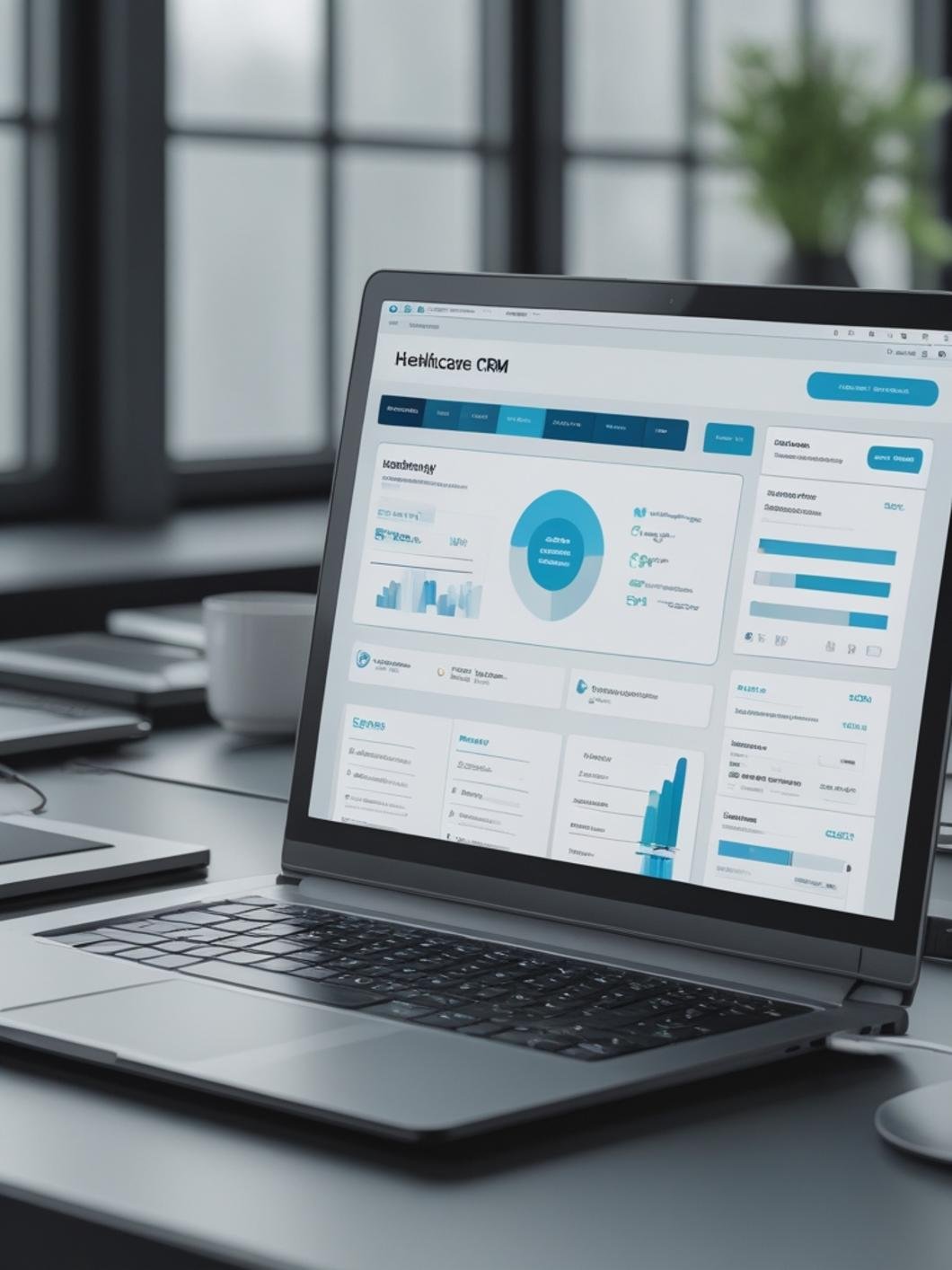
Understanding the timeline and performance expectations for implementing a healthcare CRM solution helps set realistic goals and ensures smooth adoption across your organization.
Typical Setup Timeline:
The complete setup process varies significantly based on practice size and complexity:
– Small practices (1-5 providers): 2-5 business days
– Medium practices (6-20 providers): 1-3 weeks
– Large organizations (20+ providers): 4-8 weeks
– Enterprise healthcare systems: 2-6 months
Initial Configuration Steps:
The onboarding process typically includes:
1. Account setup and user provisioning (1-2 hours): Creating administrator accounts, setting up user roles, and establishing permission structures
2. Data migration (varies greatly): Importing existing patient records, which can take anywhere from a few hours to several days depending on database size
3. Integration configuration (2-5 days): Connecting your EHR, scheduling system, and other essential tools
4. Workflow customization (1-3 days): Setting up automated sequences, communication templates, and task assignments
5. Testing phase (2-5 days): Running parallel systems and validating data accuracy before full deployment
Learning Curve Expectations:
User proficiency development follows a predictable pattern:
– Basic navigation and daily tasks: 1-3 days for most staff
– Intermediate features (reporting, custom views): 1-2 weeks of regular use
– Advanced automation and customization: 4-8 weeks for administrators
– Full platform mastery: 2-3 months of consistent engagement
The steepness of the learning curve depends on:
– Previous CRM or software experience
– Interface complexity and intuitiveness
– Quality of training materials provided
– Availability of ongoing support resources
– Staff technological comfort levels
Performance Expectations:
Once fully implemented, you should expect:
– System response times: Under 2 seconds for most operations
– Email delivery rates: 95%+ for properly configured systems
– Uptime reliability: 99.5%+ guaranteed by reputable vendors
– Mobile app performance: Comparable to web-based access
– Report generation: Seconds to minutes depending on complexity
– Sync delays: Real-time to 15-minute lag for integrated systems
Factors Affecting Usability & Results:
Several variables impact how quickly you’ll see returns on your investment:
Team buy-in and adoption rates: The most critical factor—systems only work when consistently used by all team members. Practices with strong leadership support and clear usage expectations see results 3-5x faster than those with optional adoption policies.
Data quality and completeness: Clean, accurate patient data enables better segmentation and personalization. Poor data quality diminishes automation effectiveness and requires additional cleanup time.
Customization vs. out-of-box usage: While customization creates tailored workflows, over-customization during initial setup can delay launch and complicate training. Start simple and add complexity gradually.
Internet connectivity stability: Cloud-based systems require reliable internet. Practices in areas with connectivity challenges should consider backup internet solutions.
Integration complexity: More integrations mean more powerful workflows but also longer setup times and more potential points of failure. Prioritize essential integrations first.
Staff technical proficiency: Teams comfortable with technology adopt new systems faster. Additional training investment pays dividends in quicker implementation.
Performance Optimization Tips:
– Regularly archive old patient records to maintain database performance
– Use selective syncing for mobile devices to reduce data load
– Schedule resource-intensive reports during off-hours
– Monitor integration API limits to avoid throttling
– Keep browsers and apps updated to latest versions
Step-by-Step Instructions
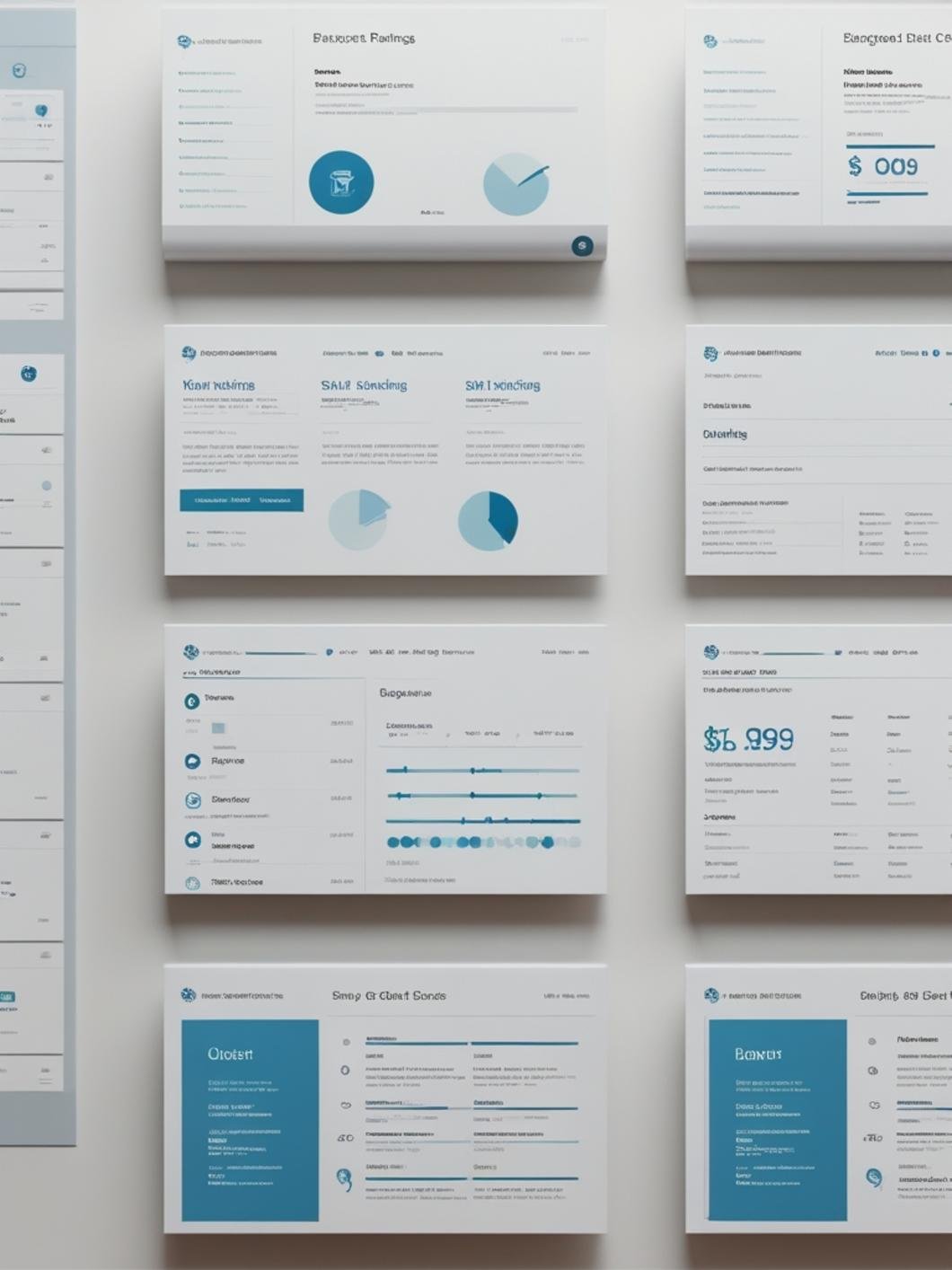
Follow these detailed steps to successfully implement and start using healthcare crm software in your practice, ensuring you maximize the capabilities of your healthcare management system from day one.
Step 1: Account Registration and Initial Setup
Visit your chosen platform’s website and click the “Start Free Trial” or “Sign Up” button. Complete the registration form with:
– Your practice or organization name
– Administrative email address (use a role-based email like admin@yourpractice.com rather than personal emails)
– Phone number and practice location
– Estimated patient database size
– Primary specialty or practice type
Upon submission, check your email for a verification link. Click it to activate your account and create your administrator password. Use a strong, unique password and store it in a secure password manager.
Pro tip: Set up your account using a role-based email address that multiple administrators can access, preventing lockout issues if one person leaves your organization.
Step 2: Configure Basic Settings and Preferences
Once logged in, navigate to the settings or administration panel:
1. Complete your practice profile: Add your logo, practice address, phone numbers, website, and business hours
2. Set time zone and regional settings: Ensure appointment scheduling aligns with your location
3. Configure communication preferences: Set default email signatures, phone number for SMS messaging, and communication consent policies
4. Establish security settings: Enable two-factor authentication for all users, set password policies, and configure session timeout preferences
5. Review compliance settings: Confirm HIPAA compliance features are enabled and review the Business Associate Agreement
Step 3: Create User Accounts and Define Roles
Add team members who will use the system:
1. Navigate to the user management section
2. Click “Add New User” for each team member
3. Enter their information: name, email, role, and department
4. Assign permission levels based on responsibilities:
– Administrators: Full system access including settings and billing
– Providers: Access to assigned patients, scheduling, and clinical notes
– Front desk staff: Scheduling, check-in/out, and basic patient information
– Billing staff: Financial data, insurance information, and payment processing
– Marketing coordinators: Campaign creation and patient communication
5. Send invitation emails to each user with setup instructions
Best practice: Start with more restrictive permissions and expand access as needed. It’s easier to grant additional access than to retract excessive permissions.
Step 4: Import Existing Patient Data
Data migration is critical for continuity:
1. Export patient data from your current system (CSV or Excel format typically works)
2. Clean the data before import: remove duplicates, standardize formatting, and complete missing information
3. Map data fields from your export to the CRM’s fields (name, date of birth, contact information, insurance details)
4. Upload a small test batch (10-20 records) first to verify mapping accuracy
5. Review imported test records carefully for errors
6. Once confirmed accurate, import your complete database
7. Verify total record count matches your export
Critical warning: Back up your existing patient database completely before beginning data migration. Keep this backup securely stored for at least 90 days post-implementation.
Step 5: Set Up Integrations with Existing Systems
Connect your healthcare CRM to other platforms:
1. Navigate to the integrations or marketplace section
2. Locate your EHR system integration
3. Follow the connection wizard, which typically requires:
– Your EHR login credentials or API keys
– Permission approval within your EHR system
– Field mapping between systems
4. Configure sync settings: real-time vs. scheduled, bidirectional vs. one-way
5. Test the integration with sample data
6. Repeat for other critical integrations (scheduling, billing, email)
Integration tip: Prioritize integrations in this order: EHR first (clinical data), scheduling second (appointments), billing third (financial), then marketing tools.
Step 6: Create Communication Templates
Develop standardized messages for common scenarios:
1. Appointment reminders: Create templates for 1-week, 1-day, and 2-hour reminders
2. Follow-up messages: Post-appointment thank you and care instructions
3. Missed appointment outreach: Re-engagement messages for no-shows
4. Wellness reminders: Annual checkup notifications, vaccination reminders
5. Educational content: Condition-specific resources and preventive care tips
For each template:
– Write clear, empathetic copy that reflects your practice’s voice
– Include personalization tokens (patient name, provider name, appointment details)
– Ensure HIPAA-compliant language without specific medical details
– Add clear call-to-action buttons or instructions
– Test on multiple devices and email clients
Template best practice: Keep messages concise (under 150 words for emails, under 160 characters for SMS), personal, and action-oriented.
Step 7: Configure Automated Workflows
Set up automation sequences to reduce manual tasks:
1. Appointment reminder workflow:
– Trigger: 7 days before appointment
– Action: Send email reminder with appointment details and confirmation button
– Wait 6 days
– Send SMS reminder 24 hours before appointment
– Wait 23 hours
– Send final SMS reminder 1 hour before appointment
2. New patient onboarding workflow:
– Trigger: New patient record created
– Action: Send welcome email with practice information and patient portal instructions
– Wait 1 day
– Assign task to front desk to confirm insurance information
– Wait 3 days
– Send email with pre-appointment forms to complete
3. Post-visit follow-up workflow:
– Trigger: Appointment marked complete
– Action: Send thank you message and satisfaction survey
– Wait 2 days
– If survey indicates concern, create task for provider follow-up
– Wait 5 days
– Send medication adherence reminder if prescription was issued
Automation tip: Start with simple, single-purpose workflows and gradually add complexity. Monitor performance metrics weekly during the first month to optimize timing and messaging.
Step 8: Set Up Your Dashboard and Reports
Customize your workspace for maximum efficiency:
1. Configure your main dashboard with widgets showing:
– Today’s appointment schedule
– Pending tasks and follow-ups
– Recent patient communications
– Key performance indicators (appointment attendance rate, patient satisfaction scores)
2. Create custom reports for:
– Monthly new patient acquisition
– Appointment no-show rates by day/time
– Patient engagement metrics (email open rates, portal usage)
– Revenue by provider and service type
– Campaign performance for marketing initiatives
3. Schedule automated report delivery to stakeholders (weekly summaries, monthly analytics)
Step 9: Train Your Team
Conduct structured training sessions:
1. Initial group training (2-4 hours): Cover system overview, basic navigation, daily workflows, and compliance requirements
2. Role-specific training (1-2 hours): Deep dive into features relevant to each job function
3. Hands-on practice period (1 week): Allow staff to explore the system with sample data
4. Q&A session: Address concerns and clarify confusion
5. Provide reference materials: Quick-start guides, video tutorials, and contact information for support
Training best practice: Record your training sessions so new hires can access them later, and create a shared document with frequently asked questions.
Step 10: Launch and Monitor
Execute your go-live plan:
1. Soft launch (1-2 weeks): Run the new system parallel to your old process, comparing results
2. Address issues immediately: Document problems and solutions as they arise
3. Full launch: Transition completely to the new system
4. Daily check-ins (first week): Brief team meetings to discuss challenges and successes
5. Weekly reviews (first month): Analyze key metrics and user adoption rates
6. Monthly optimization: Refine workflows based on performance data and user feedback
Launch tip: Celebrate small wins with your team—acknowledge improved efficiency, positive patient feedback, or successful automation milestones to maintain enthusiasm.
Benefits / Advantages
Healthcare CRM solutions deliver substantial advantages that transform how medical practices operate and engage with patients.
Enhanced Patient Engagement and Satisfaction:
Modern CRM platforms enable personalized, timely communication at scale. Automated appointment reminders reduce no-show rates by 20-40%, while personalized health tips and educational content keep patients engaged between visits. Patient portals integrated with CRM systems empower individuals to access their health information, schedule appointments, and communicate with providers conveniently, leading to satisfaction scores increasing by 25-35% on average.
Dramatic Time and Cost Savings:
Automation eliminates countless hours of manual administrative work. Tasks that previously required phone calls—appointment reminders, follow-ups, form requests—now happen automatically. Practices report reducing administrative staff time on these activities by 40-60%, allowing reallocation to higher-value patient care activities. The average practice saves $50,000-$150,000 annually in labor costs after full implementation.
Improved Patient Retention and Acquisition:
CRM systems track patient interactions comprehensively, identifying at-risk patients who haven’t scheduled follow-ups or have missed appointments. Automated re-engagement campaigns bring back 15-25% of lapsed patients. For acquisition, integrated marketing tools enable targeted campaigns to specific demographics or conditions, improving new patient conversion rates by 30-50% compared to generic marketing approaches.
Data-Driven Decision Making:
Comprehensive analytics reveal patterns invisible in traditional record-keeping. Identify which appointment times have highest no-show rates, which providers have best patient satisfaction scores, which services generate most revenue, and which marketing campaigns drive new patient acquisition. These insights enable evidence-based optimization of operations, staffing, and growth strategies.
Seamless Care Coordination:
When all patient interactions, communications, and data live in one centralized system integrated with your EHR, care coordination improves dramatically. Providers can instantly see communication history, upcoming appointments, recent concerns, and care plan adherence. This holistic view enables more informed clinical decisions and prevents patients from falling through care gaps.
Scalability Without Proportional Cost Increases:
Traditional patient management requires more staff as your practice grows. CRM automation scales efficiently—managing 1,000 or 10,000 patients requires similar effort once workflows are established. This enables practice growth without proportional increases in administrative overhead, improving profit margins as you expand.
Regulatory Compliance and Risk Management:
Purpose-built healthcare CRMs include HIPAA compliance features, audit trails, and documentation capabilities that protect your practice. Automated consent management, communication logs, and data encryption reduce regulatory risk while simplifying compliance demonstrations during audits.
Competitive Differentiation:
Patients increasingly expect digital convenience—online scheduling, text reminders, portal access. Practices offering these capabilities through integrated CRM systems attract and retain patients who value modern, patient-centered experiences. This becomes increasingly important as younger, digitally-native generations become primary healthcare consumers.
Revenue Optimization:
Beyond cost savings, CRMs drive revenue growth through multiple channels:
– Reduced no-shows preserve appointment slots that generate revenue
– Automated recall systems fill schedule gaps with preventive care visits
– Patient segmentation enables upselling appropriate services
– Better retention increases lifetime patient value
– Data analytics identify most profitable services to promote
Staff Satisfaction and Reduced Burnout:
Administrative burden contributes significantly to healthcare worker burnout. By automating tedious tasks and streamlining workflows, CRM systems improve job satisfaction among staff. Team members can focus on meaningful patient interactions rather than repetitive data entry and phone tag, leading to better retention of experienced staff.
Tips, Alternative Methods, or Use Cases
Advanced Use Cases Beyond Basic Patient Management:
Chronic Disease Management Programs:
Use CRM segmentation to identify patients with chronic conditions (diabetes, hypertension, heart disease) and enroll them in automated care management programs. Create workflows that send medication reminders, lifestyle tips, scheduled check-in questionnaires, and alert providers when patient responses indicate concerns. Practices implementing these programs report 30-45% improvement in patient adherence and measurable health outcome improvements.
Preventive Care Campaign Automation:
Segment your patient database by age, gender, and health history to deliver targeted preventive care reminders. Women over 40 receive mammography reminders, patients over 50 get colonoscopy outreach, everyone receives flu shot notifications seasonally. This systematic approach increases preventive service utilization by 40-60% compared to ad-hoc manual reminders.
Specialty-Specific Workflows:
Customize your CRM for your specialty’s unique needs:
– Dental practices: Recall systems for cleanings, orthodontic treatment progress tracking
– Pediatrics: Vaccination schedule automation, developmental milestone tracking
– Mental health: Session reminders, between-session check-ins, crisis resource information
– Physical therapy: Exercise adherence tracking, progress assessment reminders
– Dermatology: Annual skin check reminders, post-procedure care instructions
Patient Satisfaction and Reputation Management:
Automatically send satisfaction surveys after appointments, and when patients provide positive feedback, immediately request reviews on Google, Healthgrades, or other platforms. When negative feedback appears, create tasks for immediate provider follow-up before dissatisfaction escalates. This systematic approach increases positive online reviews by 200-300% while resolving concerns privately.
Revenue Cycle Optimization:
Integrate CRM with billing systems to:
– Send automated payment reminders for outstanding balances
– Offer payment plan options systematically
– Identify patients with high-value services due
– Track insurance verification status and send missing information requests
– Reduce days in accounts receivable by 20-35%
Alternative Software Options and When to Consider Them:
Salesforce Health Cloud:
Best for large healthcare organizations needing extensive customization, complex integrations, and enterprise-grade scalability. Higher cost but unmatched flexibility. Choose when you have dedicated IT resources and budget exceeding $200,000 annually.
HubSpot with Healthcare Workflows:
Ideal for practices prioritizing marketing and growth. Exceptional content marketing, email automation, and lead nurturing capabilities. Less specialized for clinical workflows but superior for patient acquisition campaigns. Great for elective procedure practices (cosmetic surgery, dental implants) where marketing drives growth.
Zoho CRM Healthcare Edition:
Budget-friendly option for small practices (1-5 providers) seeking basic automation without enterprise complexity or cost. Limited integrations but covers essential needs for practices with simple workflows and tight budgets.
Practice-Specific Platforms (Solutionreach, PatientPop):
Purpose-built for specific practice types with industry-specific templates and best practices built in. Less flexible but faster implementation. Consider when you want minimal customization and proven workflows for your specialty.
Integration Strategies for Maximum Impact:
Email Marketing Platform Integration:
Connect your CRM to email marketing tools (Mailchimp, Constant Contact) for sophisticated newsletter campaigns, health education series, and seasonal campaigns. Segment lists based on CRM data for highly targeted messaging.
Telehealth Platform Synchronization:
Integrate video visit platforms so appointments automatically appear in your CRM, triggering appropriate follow-up workflows. Essential for hybrid care models combining in-person and virtual visits.
Payment Processing Integration:
Connect payment platforms (Square, Stripe) so financial transactions automatically update patient records, trigger thank-you messages, and update account balances in real-time.
Review Platform Connections:
Integrate review management tools to automatically request reviews from satisfied patients, monitor your online reputation, and respond to feedback efficiently.
Alternative Approaches for Specific Practice Types:
Very Small Practices (Solo or 2-provider):
Consider starting with a basic CRM or even enhanced features within your EHR before investing in standalone solutions. Some modern EHR systems include basic patient engagement tools sufficient for small practices. Graduate to dedicated CRM when patient volume exceeds 1,000 or manual processes become unsustainable.
Large Hospital Systems:
Enterprise implementations require different approaches: phased rollouts by department, dedicated change management teams, custom integration development, and extensive training programs. Timeline extends to 6-12 months for full deployment across multiple locations.
Concierge or Boutique Practices:
These practices benefit from CRM’s personalization capabilities more than automation. Focus on detailed patient preference tracking, personalized communication, and high-touch relationship management rather than mass automation.
Common Mistakes & Fixes
Mistake 1: Insufficient Data Cleanup Before Migration
The problem: Importing messy data (duplicates, incomplete records, outdated information) from your old system creates confusion and undermines CRM effectiveness from day one.
The fix: Dedicate 1-2 weeks to data hygiene before migration. Remove duplicate patient records, update outdated contact information, standardize formatting (phone numbers, addresses), and complete missing critical fields. While time-consuming, this investment pays continuous dividends. Consider hiring a temporary data entry assistant if your staff lacks capacity.
Mistake 2: Over-Automation Too Quickly
The problem: Enthusiastic administrators create complex, multi-step automated workflows before understanding patient preferences or system capabilities, resulting in overwhelming patients with messages or sending irrelevant communications.
The fix: Start with simple, single-purpose automations: appointment reminders only. Monitor patient response and feedback for 2-4 weeks. Gradually add complexity based on data showing what works. A/B test different messaging approaches, timing, and channels. Remember: more automation isn’t always better—relevant, timely automation is the goal.
Mistake 3: Inadequate Staff Training and Buy-in
The problem: Leadership implements the system with minimal staff input, provides cursory training, then expects full adoption. Staff continues using old methods or uses the CRM inconsistently, undermining data quality and system effectiveness.
The fix: Involve frontline staff in system selection and configuration decisions. They understand daily workflows and will identify practical challenges leadership might miss. Provide role-specific training (not one-size-fits-all sessions) and designate “super users” in each department who receive extra training and support colleagues. Make CRM usage non-optional with clear expectations and accountability. Celebrate early adopters and quick wins publicly.
Mistake 4: Neglecting Mobile Accessibility
The problem: Configuring the system primarily for desktop use while providers and staff increasingly work from mobile devices, leading to poor user experience and reduced adoption among clinical staff.
The fix: Test all workflows and views on mobile devices during setup. Ensure appointment scheduling, patient lookup, communication sending, and task management work smoothly on smartphones and tablets. Providers who can quickly access patient information and communications from anywhere use the system more consistently.
Mistake 5: Ignoring Integration Failures
The problem: Assuming integrations work perfectly after initial setup without ongoing monitoring, leading to data sync failures, duplicate records, or communication sent with outdated information.
The fix: Establish weekly integration health checks during the first month, then monthly thereafter. Monitor error logs, verify data consistency between systems, and test critical workflows regularly. Set up automated alerts for integration failures so problems get addressed immediately rather than discovered weeks later.
Mistake 6: Poor Communication Template Quality
The problem: Creating generic, impersonal, or overly clinical message templates that feel automated and fail to engage patients effectively.
The fix: Write templates in conversational, empathetic language reflecting how your staff naturally communicates. Include personalization beyond just [First Name]—reference specific providers, appointment types, or previous visits when possible. Test messages by sending them to staff members first and requesting honest feedback. Review and update templates quarterly based on patient response rates and feedback.
Mistake 7: Underestimating Setup Time
The problem: Expecting to fully implement the system in days rather than weeks, leading to rushed configuration, skipped testing, inadequate training, and a rocky launch that undermines confidence.
The fix: Create a realistic implementation timeline with buffer time for unexpected challenges. Break the project into phases (setup, migration, integration, training, soft launch, full launch) with clear milestones. Resist pressure to rush—a thoughtful implementation creates long-term success, while a rushed launch often requires time-consuming fixes and damage control.
Mistake 8: Failing to Establish Success Metrics
The problem: Implementing the system without defining what success looks like, making it impossible to measure ROI or justify continued investment.
The fix: Before launch, identify 3-5 key performance indicators you’ll track: appointment no-show rate, patient satisfaction scores, time spent on administrative tasks, new patient acquisition cost, or patient retention rate. Establish baseline measurements with your current system, then track monthly progress. Share results with your team to maintain motivation and identify areas needing optimization.
Mistake 9: Ignoring HIPAA Compliance Details
The problem: Focusing on features and functionality while overlooking critical compliance requirements, potentially exposing your practice to regulatory penalties and patient privacy breaches.
The fix: Before signing any contract, verify the vendor provides a Business Associate Agreement (BAA). Ensure all communications (email, SMS) are encrypted and logged. Configure access controls so staff only see patient information necessary for their roles. Enable audit trails tracking all data access. Provide annual HIPAA training specifically covering CRM usage. Document your compliance measures for regulatory audits.
Mistake 10: Setting Unrealistic Patient Communication Frequency
The problem: Bombarding patients with too many messages (reminders, surveys, educational content, promotional offers), leading to opt-outs, complaints, and reduced engagement.
The fix: Establish communication frequency limits: maximum one marketing message weekly, appointment reminders only for scheduled visits, and educational content no more than twice monthly. Give patients control over communication preferences through a preference center where they can choose topics and frequency. Monitor unsubscribe rates—anything above 2-3% suggests you’re over-communicating.
Conclusion
Implementing a comprehensive healthcare crm software solution represents a significant opportunity to transform your practice’s efficiency, patient engagement, and growth potential. Throughout this guide, we’ve explored how a well-configured healthcare management system addresses the critical challenges facing modern healthcare providers: administrative burden, fragmented patient communication, missed appointments, and the inability to deliver personalized care at scale.
The key takeaways for successful implementation include: starting with clean data migration, prioritizing essential integrations first, beginning with simple automations before adding complexity, investing adequately in staff training, and maintaining realistic timelines that allow for testing and refinement. Remember that technology alone doesn’t create success—thoughtful configuration aligned with your specific workflows, combined with team buy-in and consistent usage, determines your return on investment.
Performance improvements typically become visible within the first month as appointment no-show rates decline and administrative time savings accumulate. However, the full transformational impact—improved patient satisfaction scores, increased retention rates, data-driven operational optimization, and sustainable practice growth—materializes over 3-6 months of consistent system usage and workflow refinement.
Best practices for ongoing success include: regularly reviewing and updating communication templates based on patient response, continuously monitoring integration health, conducting quarterly staff feedback sessions to identify improvement opportunities, staying current with new platform features that could benefit your practice, and maintaining focus on the ultimate goal—delivering exceptional patient care more efficiently.
Whether you’re a solo practitioner seeking to automate basic appointment reminders or a large healthcare organization requiring sophisticated patient engagement across multiple locations, the right CRM solution configured thoughtfully and adopted completely will deliver measurable improvements in both operational efficiency and patient experience.
Ready to explore more healthcare technology solutions? Visit our comprehensive reviews and comparison guides to discover other tools that can transform your practice’s performance and patient care delivery.
FAQs
Q: How much does healthcare CRM software typically cost for a small practice?
A: For small practices with 1-5 providers, expect monthly costs ranging from $50-250 per user, depending on features and integrations. Most platforms offer tiered pricing, so a practice with 3 providers using mid-tier plans typically invests $300-600 monthly ($3,600-7,200 annually). Many vendors offer discounts for annual prepayment (typically 10-20% savings). Free trials allow you to test functionality before committing financially. When calculating ROI, factor in time savings, reduced no-shows, and improved patient retention—most practices report the system pays for itself within 6-9 months through operational efficiencies alone.
Q: Can healthcare CRM systems integrate with any EHR platform?
A: Integration capabilities vary significantly by vendor and EHR platform. Major CRM providers offer native integrations with leading EHR systems (Epic, Cerner, Allscripts, athenahealth) that sync data bidirectionally in real-time. For less common EHR systems, integration may require custom development using APIs, middleware platforms like Zapier or Mulesoft, or manual data exchange processes. Before selecting a CRM, verify integration availability with your specific EHR version. Request a technical consultation and, if possible, a test integration during your trial period to confirm data flows correctly between systems.
Q: How do I ensure patient data security and HIPAA compliance with a CRM system?
A: HIPAA compliance requires multiple layers of protection: First, verify your vendor is willing to sign a Business Associate Agreement (BAA) accepting liability for data protection. Confirm the platform uses end-to-end encryption for data transmission and storage, maintains regular security audits and certifications, provides access controls limiting staff to necessary patient information only, and generates audit trails tracking all data access. On your end, train staff on HIPAA requirements specific to CRM usage, establish strong password policies, enable two-factor authentication for all users, conduct regular security assessments, and maintain documentation of your compliance efforts for potential audits.
Q: What’s the biggest challenge practices face when implementing CRM software?
A: Staff resistance and inconsistent adoption represent the most common and impactful implementation challenge. Even excellent technology fails if team members continue using old methods or enter data inconsistently. This stems from change fatigue (healthcare constantly introduces new systems), inadequate training that leaves staff feeling incompetent, lack of understanding about how the system benefits them personally, and absence of leadership accountability. Overcome this by involving staff in selection decisions, providing role-specific training, designating department champions who support colleagues, making system usage non-optional with clear expectations, celebrating quick wins publicly, and leadership demonstrating consistent usage. Remember: technology implementation is ultimately a change management challenge requiring people-focused solutions.
Q: Can I use a standard business CRM like Salesforce or HubSpot for healthcare, or do I need specialized software?
A: You can adapt general business CRMs for healthcare use, but this requires significant customization and creates important tradeoffs. Standard CRMs lack healthcare-specific features like EHR integrations, HIPAA-compliant communication tools, patient portal functionality, and healthcare workflow templates. They require custom development to address these gaps, which increases implementation time and cost. However, if your practice is marketing-focused (cosmetic surgery, dental implants) and already uses these platforms for other purposes, adapting them might make sense. For traditional medical practices where clinical integration and compliance are paramount, purpose-built healthcare CRMs offer faster implementation, lower total cost of ownership, and better alignment with healthcare workflows. Evaluate based on your specific priorities: customization flexibility vs. healthcare-specific functionality.